

If you own a home and want to make certain that it is safe for your older guests or long-term residents, like older parents, then it's important to consider ways to make the place senior safe. The good news is that there are several excellent methods for adding a layer of safety and security to any living space, including extra ramps, wider doorways, alternatives to stairways, motion-activated lighting, and more. Many people do internet searches on phrases like home lifts perfect for my parents, and similar topics related to creating safe, functional, attractive living spaces for older relatives, whether parents, aunts, uncles, grandparents, or older siblings. Even if those older folks live along, you can help them arrange their own residences in a way that maximizes safety. How can you do that? Here are some of the most effective ways for adapting any living space to make it safer for people who have limited mobility.
Minimize Slippery Surfaces
For older folks who wish to move about without hindrance, there are two enemies, slick floors and thick carpeting. Linoleum-type kitchen flooring can pose a fall risk even in the presence of a tiny amount of water. Thick rugs are a hindrance for anyone who uses a walker, cane, or wheelchair. What's the happy medium? Short-weave carpeting gets the job done, virtually eliminates the safety risk of falling, and allows chair, cane, and walker users to move freely and easily.
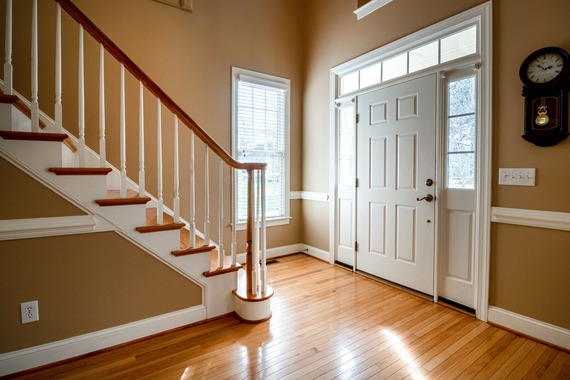
Add a Safe Way to Move Between Levels
A simple and safe way for people to get from one floor to another is with a residential lift. In modern homes, and many older ones, home lifts are the only way for mobility-challenged residents to have access to the entire house. Additionally, home lifts look great, can boost the resale value of any home, and can be installed in virtually any residence. There's a reason that large-scale senior living facilities all include these electronic forms of vertical transportation, as they're as safe as can be and help users quickly move from one area of the living space to another.
Use Voice-Activated or Motion-Activated Lighting
It's possible to purchase several voice- and motion-activated light switches at any hardware store. The expense is minimal, but the results are striking. When both hands are on a walker or other assistive device, it's tough to reach up and flip light switches. With voice and motion devices, seniors can simply approach an area or say "lights on," and the problem of reaching up is eliminated once and for all.
Make Doorways More Accessible
There's no need to do construction work and widen doorways. All it takes, in most cases, is removing doors between common rooms. That especially pertains to swinging doors. For seniors who have mobility challenges, and who perhaps use walkers or canes, it's much easier to enter and exit rooms when doorways are cleared of attachments. Don't forget to check the floor as well, being careful to remove any metal canals or runners that served to hold dividers in place. Those little ruts are invisible to most people but can pose a major tripping hazard for anyone who has difficulty moving about.


